
A Patient-Professional Bridge for Equitable Communication in Public Healthcare
A Patient-Professional Bridge for Equitable Communication in Public Healthcare
A Patient-Professional Bridge for Equitable Communication in Public Healthcare
A phygital resource that integrates with the NHS care framework - helping migrant and non-native English speakers communicate and build trust within the system.
A phygital resource that integrates with the NHS care framework - helping migrant and non-native English speakers communicate and build trust within the system.
📱 Mobile
📱 Mobile
🖥 Desktop
🖥 Desktop
The Brief:
The Brief:
The Brief:
Design an interaction between a patient and their healthcare professional that promotes trust and collaboration.
Design an interaction between a patient and their healthcare professional that promotes trust and collaboration.
Timeline
2023 - 2024
7 months
4 Weeks
2025
In Collaboration
Accenture Song
Team
Shivangi Gadhoke (owner), Anushka Monteiro, Anwesha Basu and Primrose Adam
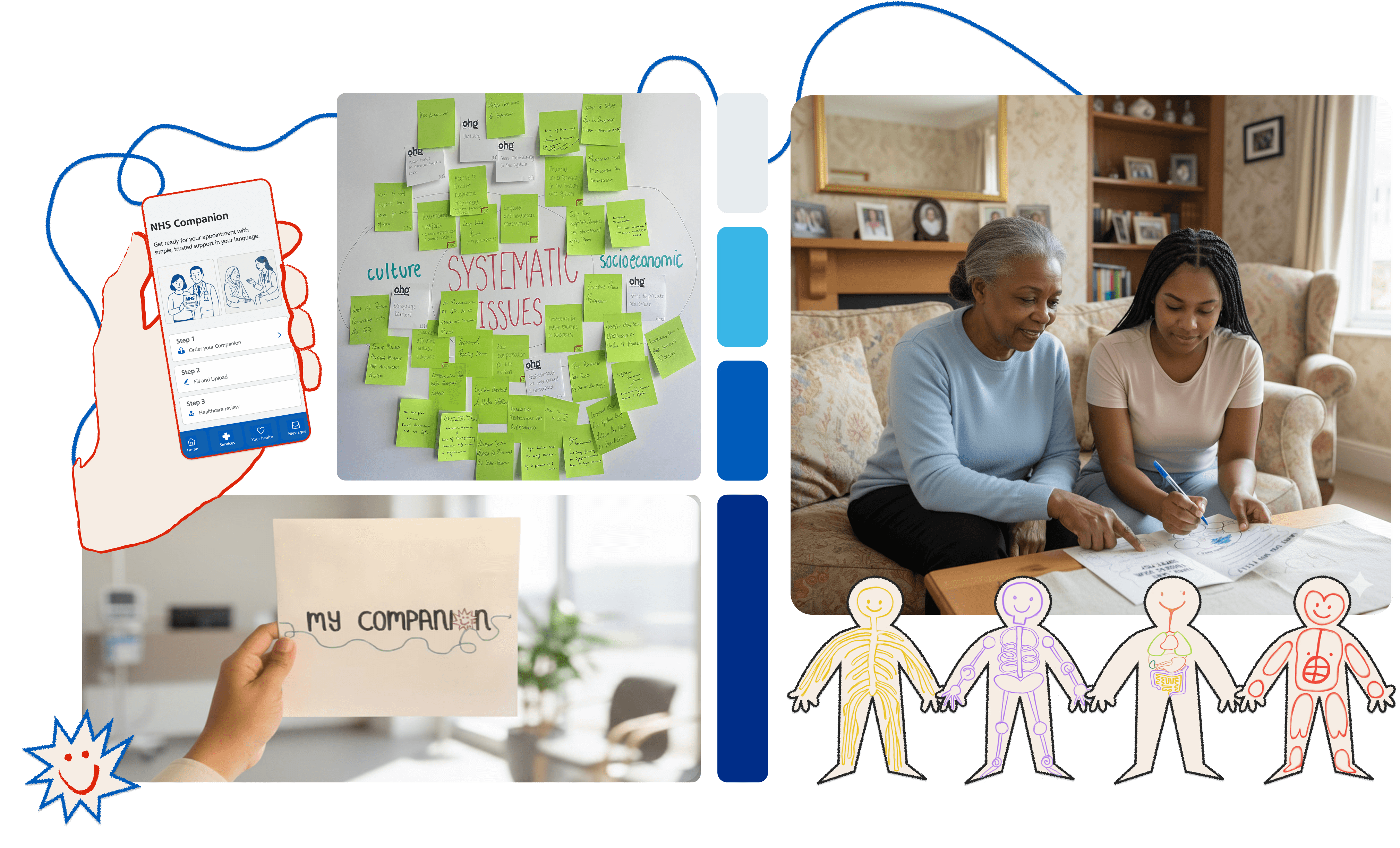
Zooming out, we used Appreciative Inquiry to explore global healthcare systems and understand how trust is shaped across diverse cultural and systemic contexts. Guided by the Accenture Health Trends, our goal was to examine how different healthcare models influence patient trust, and utilise the learnt knowledge in the existing NHS framework.
Zooming out, we used Appreciative Inquiry to explore global healthcare systems and understand how trust is shaped across diverse cultural and systemic contexts. Guided by the Accenture Health Trends, our goal was to examine how different healthcare models influence patient trust, and utilise the learnt knowledge in the existing NHS framework.
Key Research Questions
Key Research Questions
How is trust in healthcare felt, does it look different around the world?
We conducted Directed Storytelling interviews with healthcare professionals and patients to uncover their personal definitions of "trust" and explore whether systemic differences across countries influence it. By following narrative breadcrumbs, insights around patient pathos surfaced, regardless of origin, highlighting the value of this method for deep qualitative exploration.
How is trust in healthcare felt, does it look different around the world?
We conducted Directed Storytelling interviews with healthcare professionals and patients to uncover their personal definitions of "trust" and explore whether systemic differences across countries influence it. By following narrative breadcrumbs, insights around patient pathos surfaced, regardless of origin, highlighting the value of this method for deep qualitative exploration.
Do these concerns arise from individual interactions or point to wider systemic issues?
In our second round of conversational interviews across Lambeth and Walworth, we found that regardless of location, people consistently pointed to systemic issues within the NHS rather than problems with individual healthcare professionals. We validated this insight through a second research method (Graffiti Walls), which confirmed that distrust stemmed largely from macro-level barriers. Pointing to the need for micro interventions that rebuild trust and collaboration at the one-to-one level.
Do these concerns arise from individual interactions or point to wider systemic issues?
In our second round of conversational interviews across Lambeth and Walworth, we found that regardless of location, people consistently pointed to systemic issues within the NHS rather than problems with individual healthcare professionals. We validated this insight through a second research method (Graffiti Walls), which confirmed that distrust stemmed largely from macro-level barriers. Pointing to the need for micro interventions that rebuild trust and collaboration at the one-to-one level.
Where would a design intervention be most effective?
After conducting primary and secondary research in migrant-dense boroughs of London, we applied the 5Ws framework to identify where a design intervention would be most effective. The findings pointed tothe intersection of immigrant healthcare access and family caregiving - specifically the role of children of immigrant parents who often act as informal translators and care coordinators. By focusing on this dynamic within London's boroughs, we could develop targeted, context-aware solutions aligned with the Triangle of Care.
Where would a design intervention be most effective?
After conducting primary and secondary research in migrant-dense boroughs of London, we applied the 5Ws framework to identify where a design intervention would be most effective. The findings pointed tothe intersection of immigrant healthcare access and family caregiving - specifically the role of children of immigrant parents who often act as informal translators and care coordinators. By focusing on this dynamic within London's boroughs, we could develop targeted, context-aware solutions aligned with the Triangle of Care.
Addressing the brief revealed a need for multiple NHS interventions. Many patients turn to private care when the system fails, but …
Addressing the brief revealed a need for multiple NHS interventions. Many patients turn to private care when the system fails, but …
Addressing the brief revealed a need for multiple NHS interventions. Many patients turn to private care when the system fails, but …
Key Concern
“What happens when private care isn’t an option, leaving patients to face both systemic barriers and the emotional burden alone?”
“What happens when private care isn’t an option, leaving patients to face both systemic barriers and the emotional burden alone?”
“What happens when private care isn’t an option, leaving patients to face both systemic barriers and the emotional burden alone?”
Defining the Challenge: Insights & HMWs
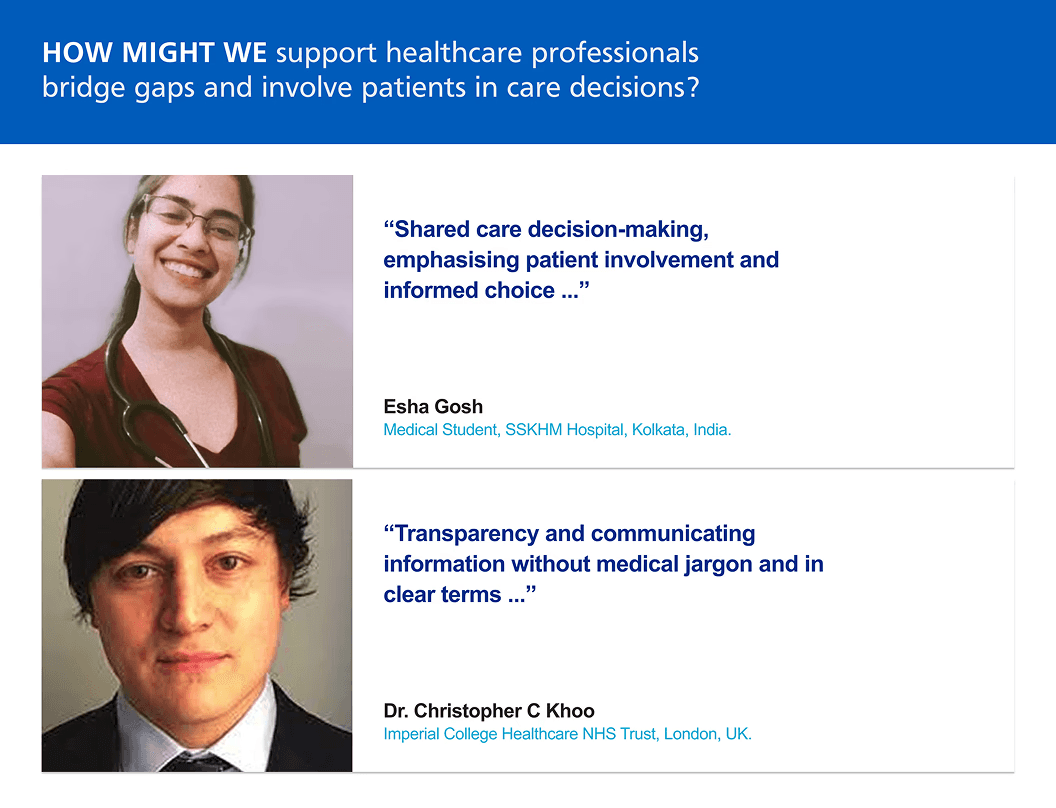
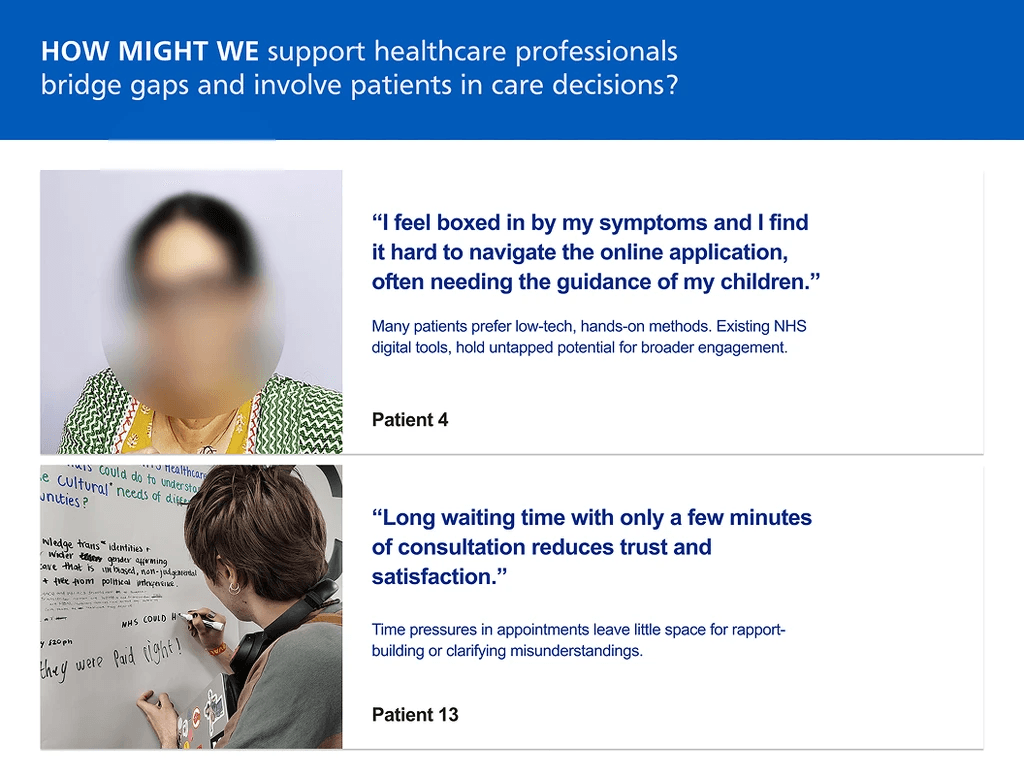
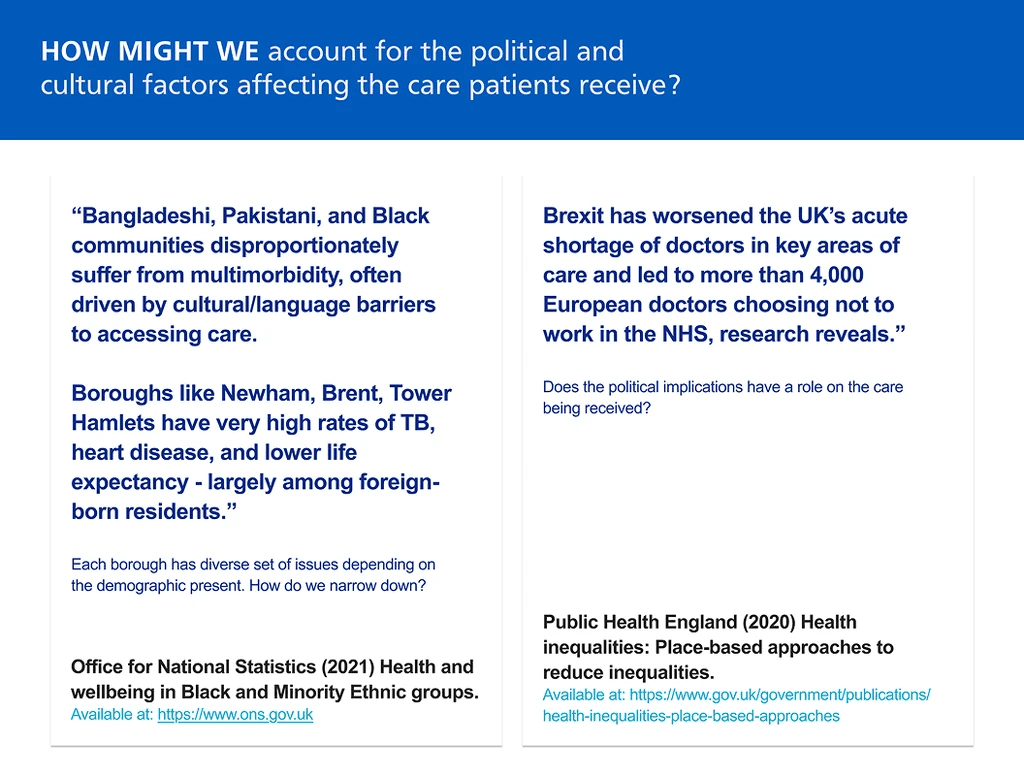
Following the UK Government Digital Service (GDS) design principles we decided to focus on what users want, and not just internal processes.
Following the UK Government Digital Service (GDS) design principles we decided to focus on what users want, and not just internal processes.
Following the UK Government Digital Service (GDS) design principles we decided to focus on what users want, and not just internal processes.
Introducing:
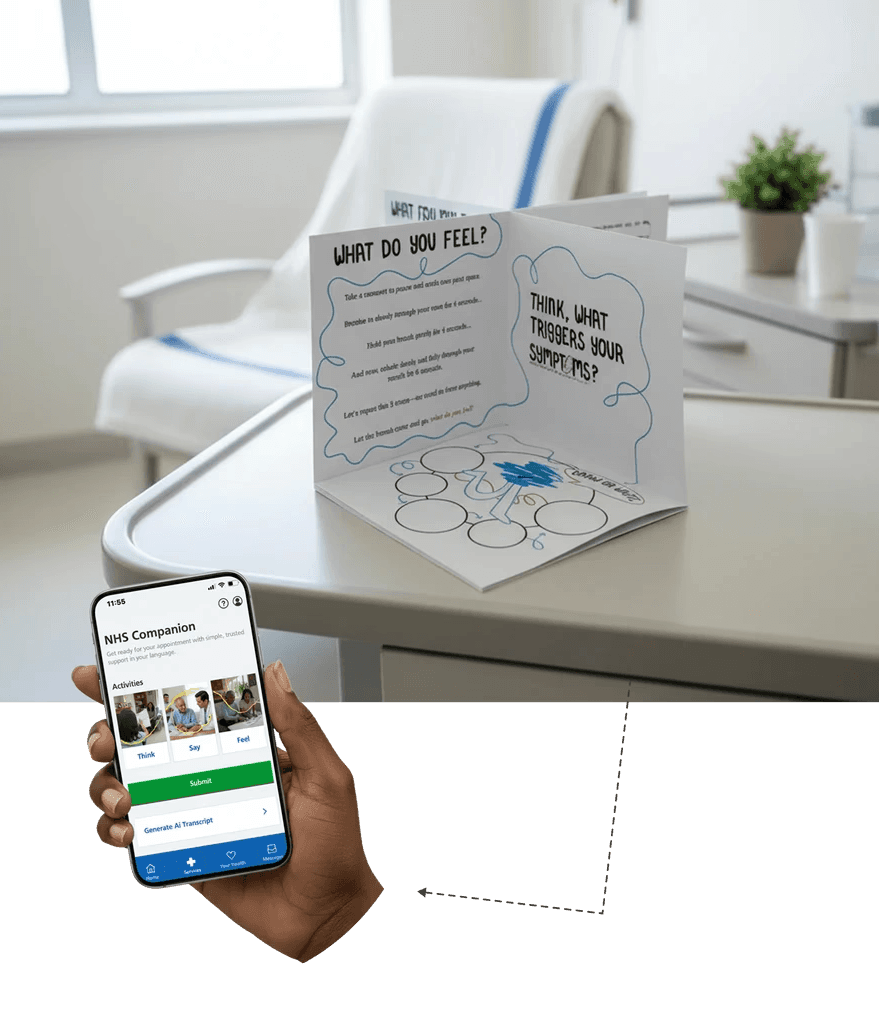

NHS Companion is a phygital toolkit that supports patients during long waits. Blending digital and physical elements, it leverages NHS infrastructure to provide an easy-to-use, tangible aid - focusing on the Triangle of Care, particularly for migrant families managing informal care coordination.
NHS Companion is a phygital toolkit that supports patients during long waits. Blending digital and physical elements, it leverages NHS infrastructure to provide an easy-to-use, tangible aid - focusing on the Triangle of Care, particularly for migrant families managing informal care coordination.
NHS Companion is a phygital toolkit that supports patients during long waits. Blending digital and physical elements, it leverages NHS infrastructure to provide an easy-to-use, tangible aid - focusing on the Triangle of Care, particularly for migrant families managing informal care coordination.
Process of how NHS Companion helps to build trust between healthcare professionals and immigrant patients
Process of how NHS Companion helps to build trust between healthcare professionals and immigrant patients
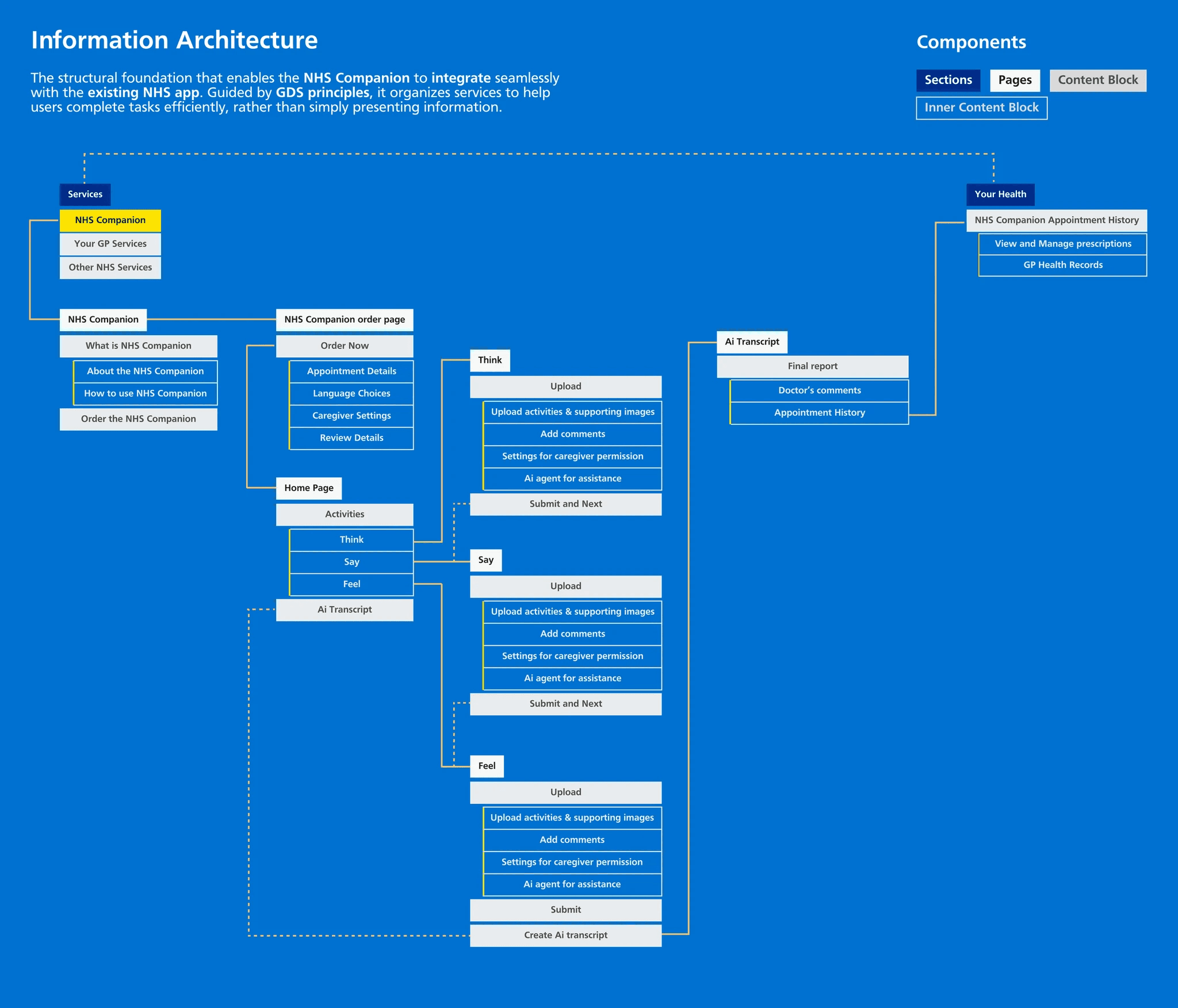
Information Architecture:
A GDS-Guided Structure for Seamless NHS Integration
Information Architecture:
A GDS-Guided Structure for Seamless NHS Integration
Information Architecture:
A GDS-Guided Structure for Seamless NHS Integration
Breaking down the phygital components:
NHS Companion Activities + NHS App
Breaking down the phygital components:
NHS Companion Activities + NHS App
Breaking down the phygital components:
NHS Companion Activities + NHS App
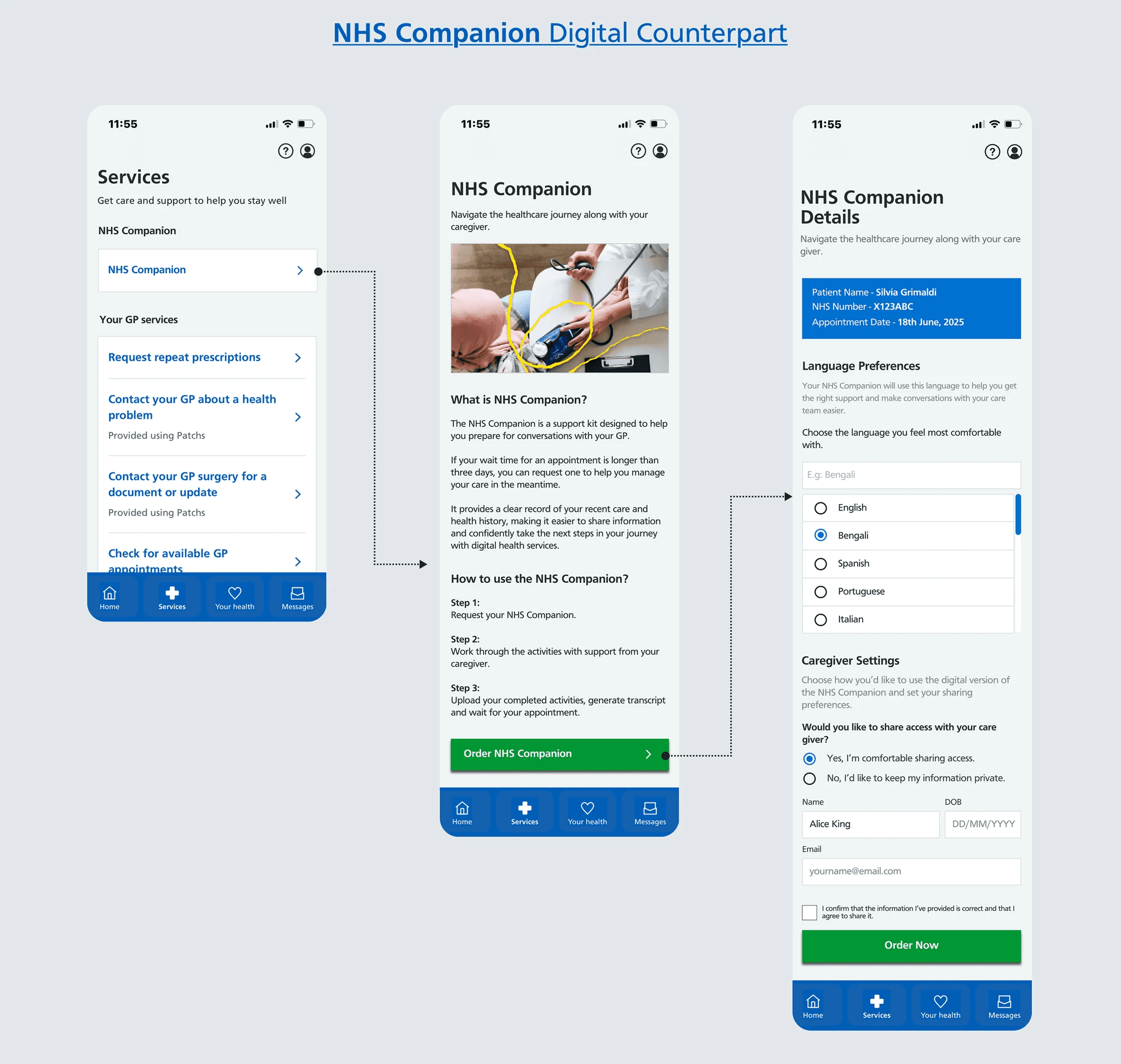
Step 1: Ordering the NHS Companion via the NHS App
Step 1: Ordering the NHS Companion via the NHS App
Step 2: Receive the Physical Toolkit & Fill up the Activities
Step 2: Receive the Physical Toolkit & Fill up the Activities
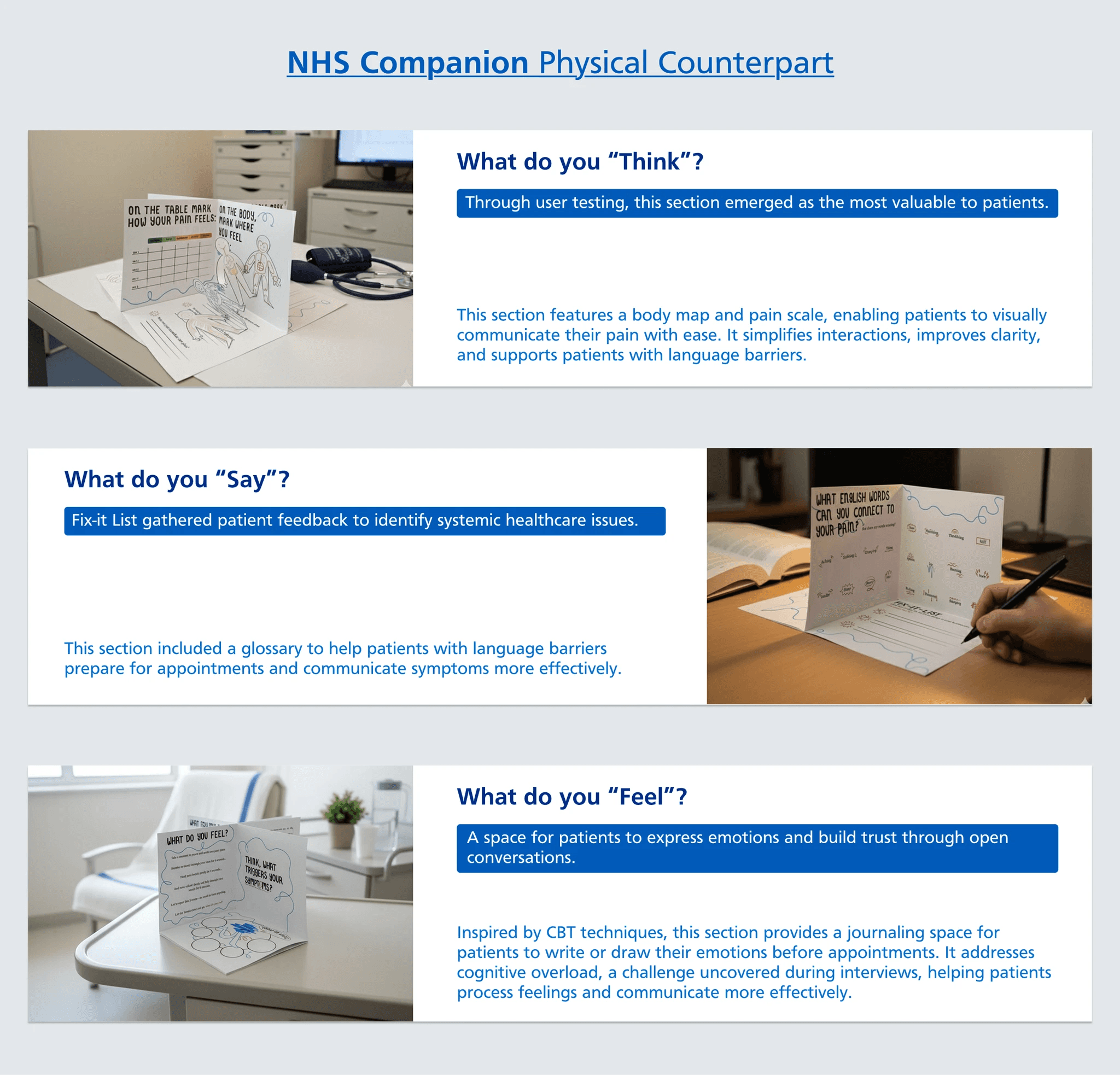
Created for moments of long wait times and patient frustration, this toolkit fosters meaningful conversations, easing the caregiver’s burden and ensuring both patients and caregivers feel heard.
It also serves as a knowledge-sharing tool, enabling healthcare professionals to deliver more holistic care beyond just treating symptoms, adding another layer of empathy and understanding.
Created for moments of long wait times and patient frustration, this toolkit fosters meaningful conversations, easing the caregiver’s burden and ensuring both patients and caregivers feel heard.
It also serves as a knowledge-sharing tool, enabling healthcare professionals to deliver more holistic care beyond just treating symptoms, adding another layer of empathy and understanding.
Created for moments of long wait times and patient frustration, this toolkit fosters meaningful conversations, easing the caregiver’s burden and ensuring both patients and caregivers feel heard.
It also serves as a knowledge-sharing tool, enabling healthcare professionals to deliver more holistic care beyond just treating symptoms, adding another layer of empathy and understanding.
Step 3: Upload activities
Step 3: Upload activities
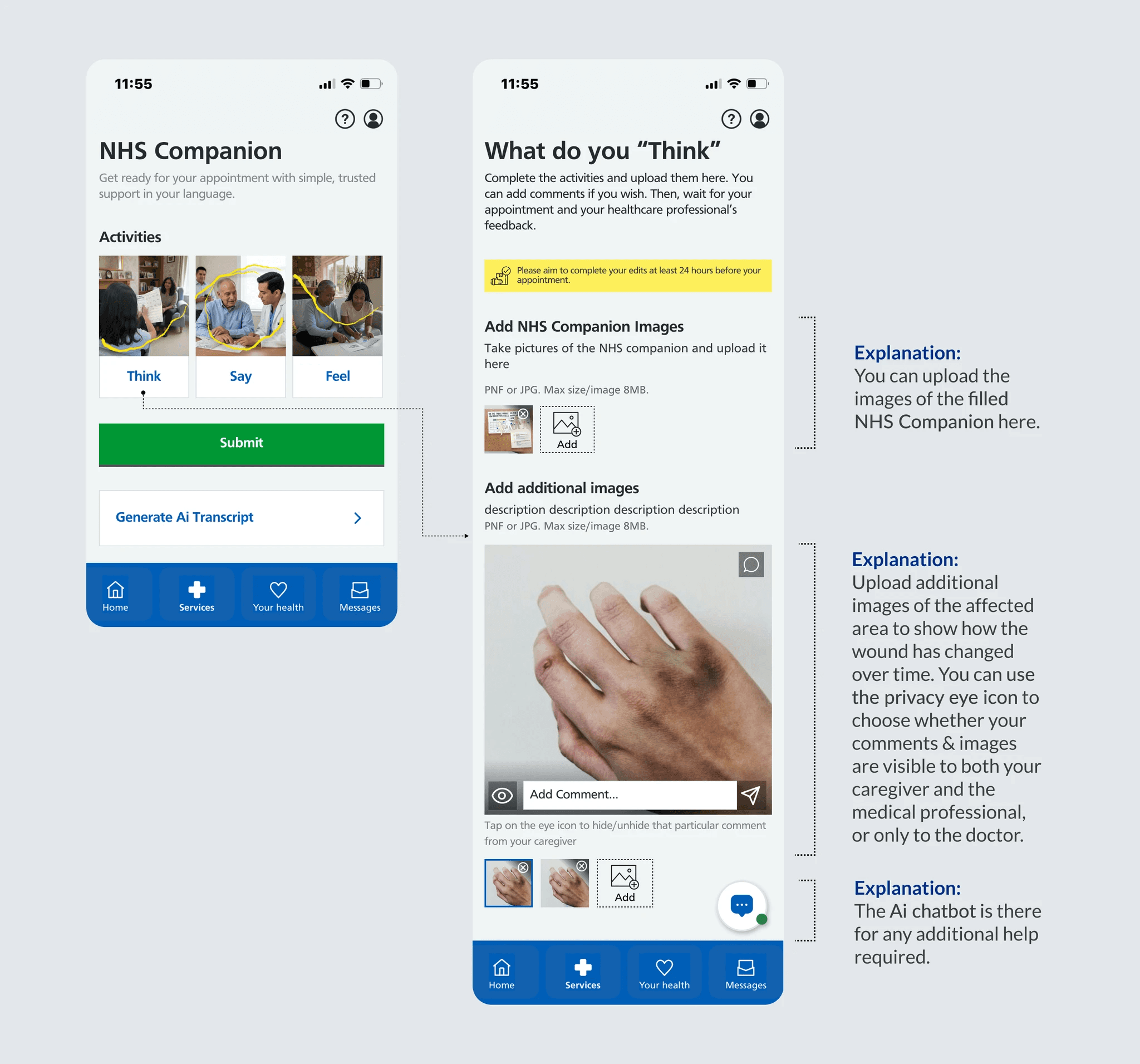
Step 4: Carry the Companion to your Appointment
Step 4: Carry the Companion to your Appointment
PS: Here's the Healthcare Professional's View of AI transcribed dashboard
PS: Here's the Healthcare Professional's View of AI transcribed dashboard
PS: Here's the Healthcare Professional's View of AI transcribed dashboard
Impact:
"What do people have to say?"
Impact:
"What do people have to say?"
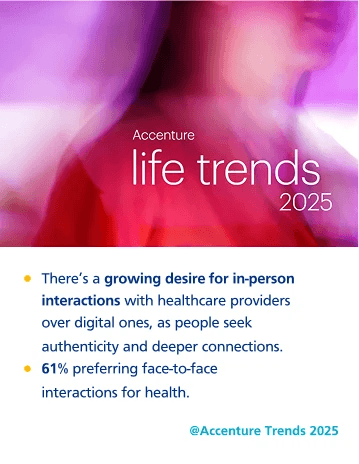
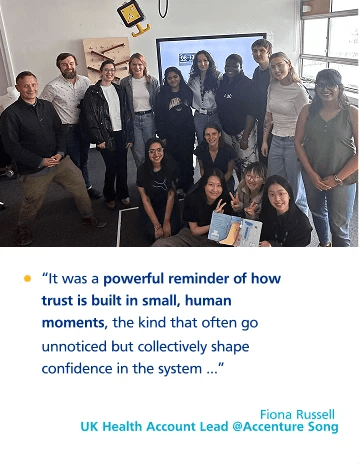
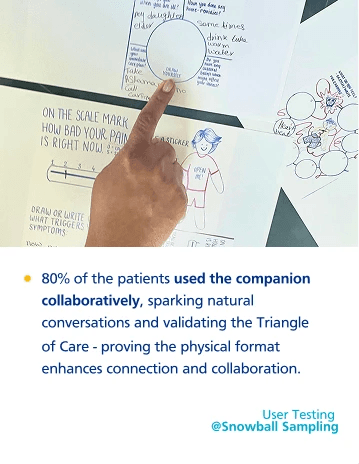
Systems design is just as important as screen design.
Strategic alignment and collaboration with stakeholders early saves hours later.
Advocacy for edge-case UX = trust-building. Building together with Product & engineering is the key.
Phased rollout is not just safer, it’s smarter. We get to know what worked out well, what needs improvement and roll-out consistently while building a safe-space for the users.
Feedback loops are your best friend.
Systems design is just as important as screen design.
Strategic alignment and collaboration with stakeholders early saves hours later.
Advocacy for edge-case UX = trust-building. Building together with Product & engineering is the key.
Phased rollout is not just safer, it’s smarter. We get to know what worked out well, what needs improvement and roll-out consistently while building a safe-space for the users.
Feedback loops are your best friend.
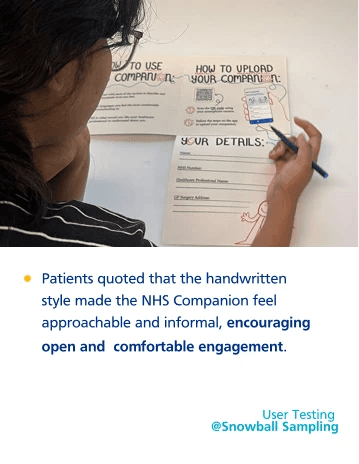
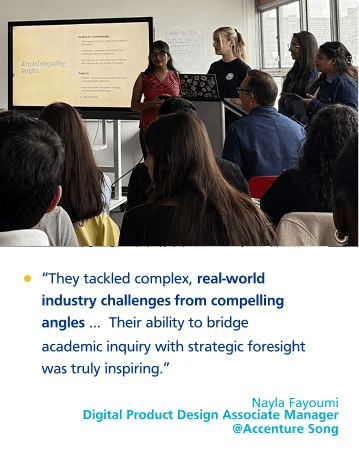
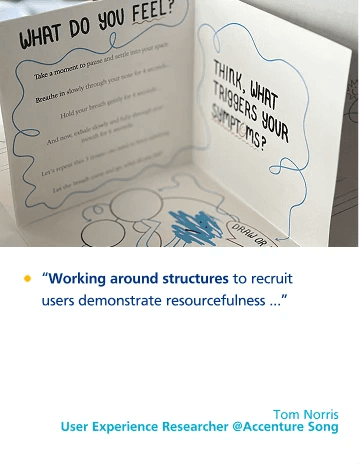
What Went Wrong
What Went Wrong
What Went Wrong
Feedback suggested our focus on language accessibility was redundant due to tools like Google Lens. However, these solutions don’t reach the socio-economic groups most reliant on public healthcare. This revealed a key insight: tech alone can’t solve systemic inequities. Designing for equity means addressing root barriers, not just assuming innovation will be universally accessible.
In hindsight, the toolkit’s biggest stumble was its ambition - too many components competing for attention, which diluted clarity. But that misstep also highlighted a clear path forward: refine, simplify, and strengthen the core. And since language sat at the heart of our design, it showed me how much more impact we could unlock by honing tone and vocabulary to create a richer emotional connection.
Learnings as a Designer
Learnings as a Designer
Learnings as a Designer
It’s clear that participant recruitment, especially for healthcare, requires meticulous pre-planning. User testing & sampling are core units for research.
Our journey highlighted how continuous refinement and iterations leads to stronger solutions.
While zooming in for niche focus was necessary, we perhaps went a little too niche initially with our user group.
Designing micro-interactions that seamlessly fit within a larger system is crucial for impact.
Effective communication and collaboration were foundational to navigating complexities and delivering our project.